
The $250K Lesson That Changed How I Think About Automation
Everything stopped on line 3.
The reason?
A new operator skipped a torque verification step on a suspension subassembly. That step existed only as a laminated SOP taped to the station.
Three hours later, after the vehicle had already moved downstream, quality flagged inconsistent steering feedback during end-of-line testing. The plant had no choice: Production halted. Hundreds of units were quarantined. Teardowns and rework began.
Then came the meeting. The top executive vented his frustration at a room full of terrified engineers about $250,000 being poured straight down the drain. That moment permanently shaped how I think about automation and what zero-defect manufacturing actually requires.
In this Verdusco Automation article, you’ll see why that failure happened, who was really responsible, and how to improve plant visibility in real time so you can prevent similar incidents and protect your career.

Why the Blame Landed on the Supervisor, Not the Rookie Operator
“Why wasn’t this prevented?” “You should’ve caught this.”
The questions weren’t emotional. They were direct.
That’s when I learned a hard truth of manufacturing leadership: The operator may make the mistake, but the supervisor carries the weight. Not because leadership is unfair. But because the system was fragile. It didn’t protect the operator in the first place:
The laminated SOP was a suggestion, not a control.
Training was memory, not enforcement.
The legacy systems were historians, able to tell when the line stopped, but blind to the decisions leading there. They reported downtime, not decision-making gaps.
For plant operations managers, this is an acute pressure point:
You can coach. You can train. You can care deeply about your team. But if the system allows failure, responsibility flows uphill.
This is how career-limiting incidents are born. Not from negligence, but from exposure.
What Training Couldn’t Solve on a Low-Automation Line
We doubled down on training. We highlighted manuals. We held safety talks. But as W. Edwards Deming famously said:
“A bad system will beat a good person every time.”
On a fast-paced line, cognitive overload is inevitable. Tribal knowledge replaces procedure. When experience is thin, there are no guardrails.
The problem wasn’t human weakness. It was predictable human variability in a high-stakes environment. No amount of “paying attention” can compete with a system designed to prevent inattention from causing catastrophe.
The real question became: What would have caught this before the vehicle left the station?
The Partner Who Showed Us How Zero Defects Manufacturing Actually Happens
The turning point came when we stopped trying to train our way out of risk and started designing it out.
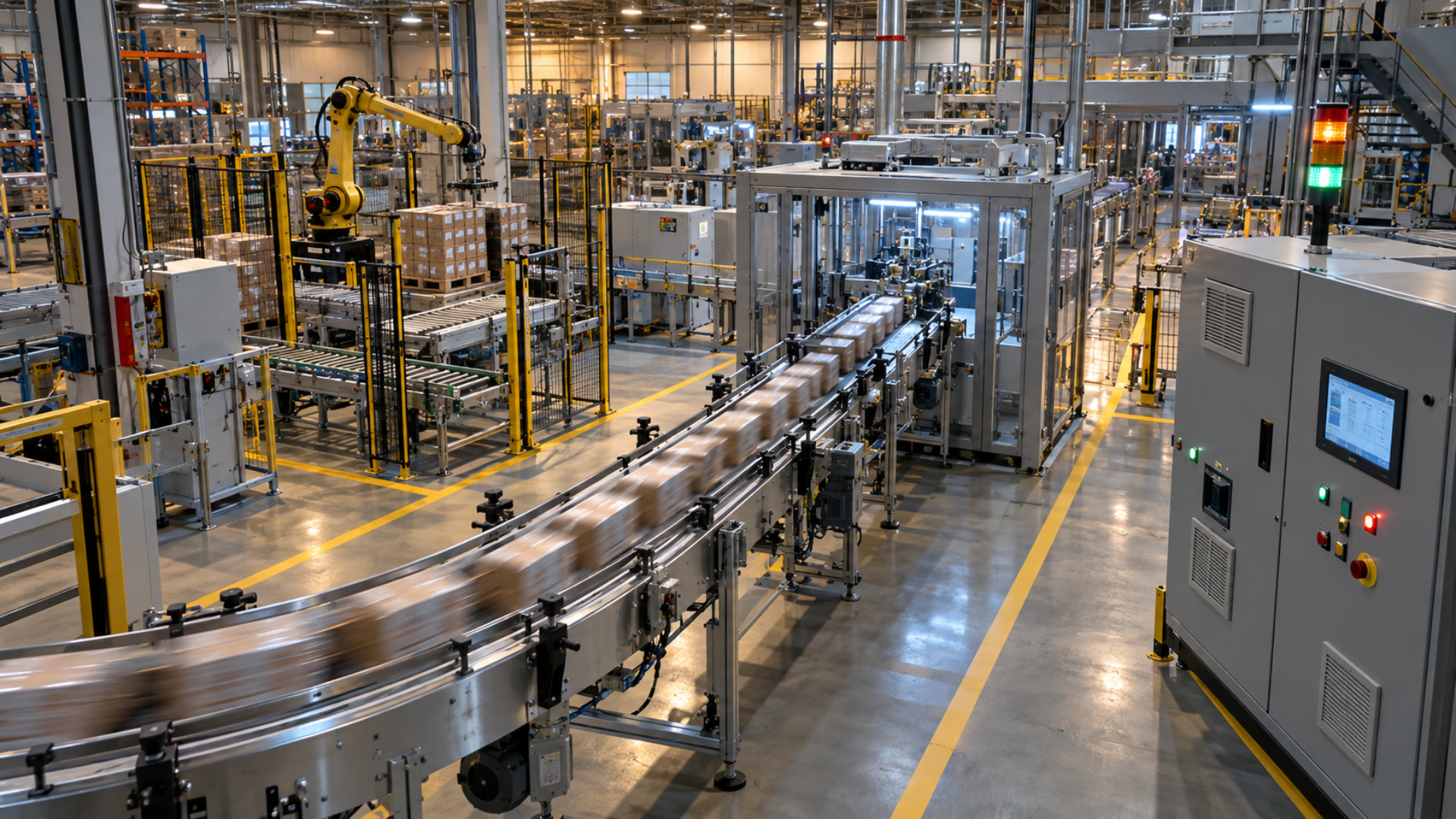
Working with an experienced automation partner, the plant rebuilt its process control from the station level up:
PLC logic was updated to include automated torque verification.
Sensors confirmed completion before the line could advance.
SOPs were no longer laminated. They were enforced digitally.
SCADA and DCS layers were integrated to provide context, not just alarms.
Role-based dashboards showed operators exactly what mattered to their task, while supervisors saw deviations the moment they occurred.
Automated checks and balances replaced after-the-fact investigations.
The first time a dashboard flagged a torque deviation in real time, it was almost jarring. A soft alert. A paused sequence. No scramble. No blame. Just a system quietly doing its job.
That’s when zero-defect manufacturing stopped being a slogan and started feeling real.
As Peter Drucker once said,
“The best way to predict the future is to create it.”
In manufacturing, that creation starts with control.
How to Improve Plant Visibility in Real Time
The transformation wasn’t about collecting more data. It was about having the right data, at the right moment, for the right role. That’s what real-time plant visibility actually means.
Operators saw confirmations, not just instructions.
Maintenance saw diagnostics predicting failure.
Leadership saw OEE and quality yields live.
The once-opaque line became transparent.
This is where a partner like Verdusco Automation excels. We specialize in building this clarity and helping manufacturers move from fighting fires to preventing sparks.
Our approach is practical and tailored:
Process Control Integration: Design and implement systems (PLC, DCS, SCADA) that enforce your critical SOPs automatically, turning paper procedures into digital guardrails.
Operational Intelligence Dashboards: Build role-specific views that deliver actionable insights, replacing paper logs and spreadsheet hunts with a single pane of glass.
Automated Material & Quality Verification: From torque checks to vision systems for part presence, we integrate automated checks that catch errors at the source, protecting your product and your people.
The result isn’t just avoiding losses. It’s higher productivity, tangible cost savings, and teams empowered to do their best work, freed from the anxiety of causing a catastrophic error.
Contact Verdusco Automation today to start the conversation.
📩: maria@verduscoautomation.com

Aging conveyors don't always need full replacement — often the mechanical structure is sound and only the controls are outdated. Discover how a control system retrofit with VFD motor control and smart sensors can cut downtime, reduce damage, and deliver payback in months.