
Failing 2 in 3 Paint Inspections? Get Perfect Quality with Smart Vision
Peter works in the final paint booth of an automotive plant. His job is to spot every crater, pinhole, and orange peel before a car leaves the line. The glare is brutal. After eight hours under bright lights, his eyes glaze over, his neck stiffens, and his focus drifts.
Across the industry, Peter’s story repeats. Paint inspectors are skilled, dedicated, and exhausted. Under continuous time pressure and fatigue, even the best eyes fail. The result is costly touch-ups and endless stress for the quality team.
But a new chapter is opening for paint shops.
This Verdusco Automation article presents a hybrid inspection model powered by human intuition and smart vision. The duo transforms paint quality assurance without breaking your people or your budget.
Take a look.
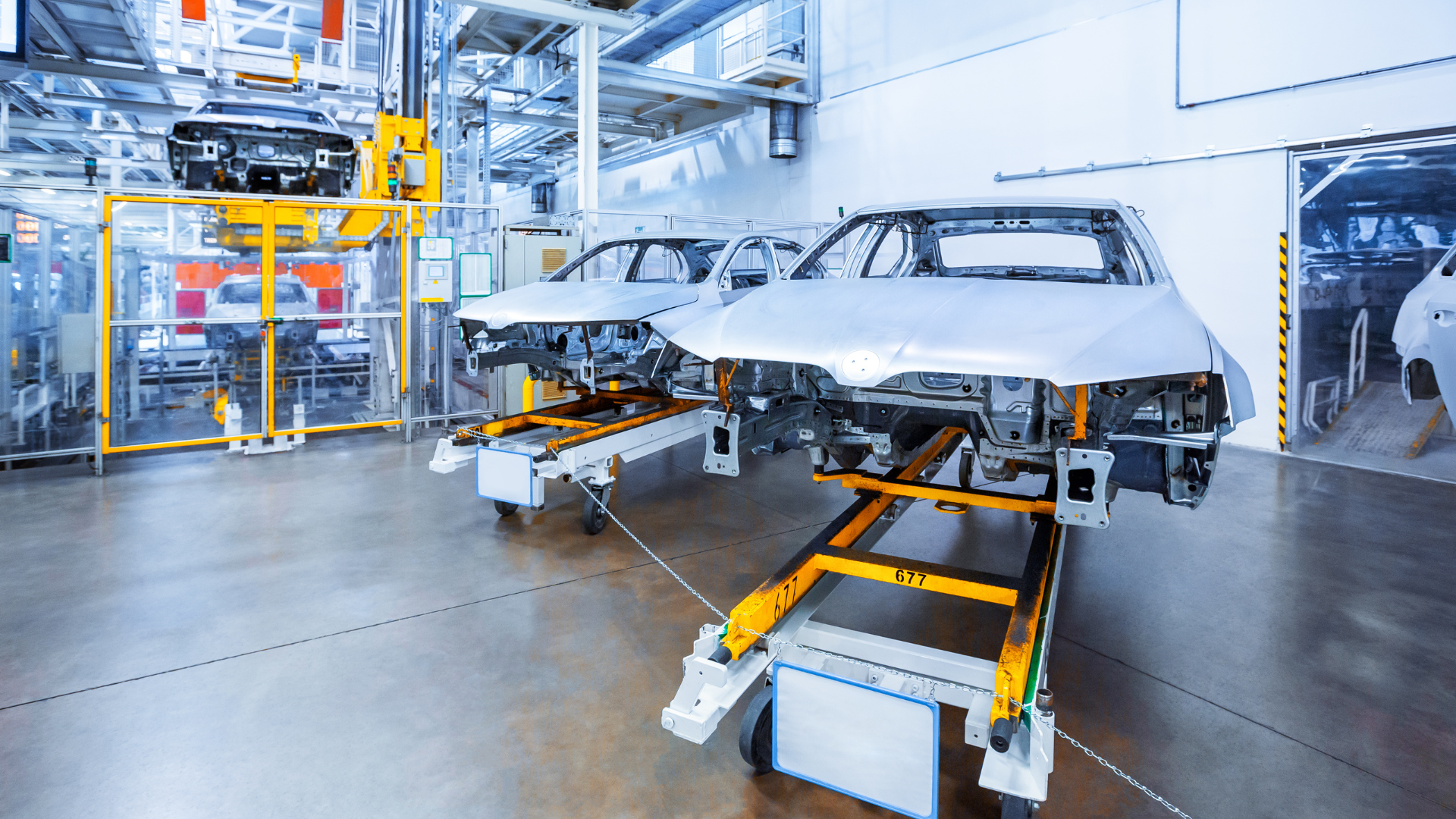
When the Eye Isn’t Enough
Peter’s trained to catch:
Orange peel (uneven texture that distorts reflections),
Dirt nibs (tiny dust spots trapped under clear coat),
Runs or sags (excess paint drips),
And scratches or buffer burns (from handling or polishing).
No sensor can yet match Peter’s ability to judge visual harmony. But even his mastery has limits.
Studies show that visual inspection error rates jump by around 20% after just 30 minutes of continuous work.
By the end of an eight-hour shift, Peter’s ability to spot minor flaws deteriorates big time, creating recurring problems:
Defects that slip by. Focus fades after hours of bending, twisting, and staring into bright reflective surfaces.
Subjectivity. What looks fine to one inspector might fail another’s test. Results vary by shift and by person.
Microscopic misses. Pinholes smaller than 0.2 mm or subtle orange peel texture are impossible to catch by the human eye.
Industry data reveals that manual paint inspection catches defects at only 50-80% accuracy, depending on operator experience and environmental conditions. By this margin, failing 2 in 3 inspections is the actual operational reality for many plants.
And when these defects escape notice, they lead to rework, delays, and quality disputes.
The Modern Fix: Transitioning to Automated Paint Inspection
The answer isn’t to replace inspectors. But to pair them with smart vision systems that see and measure what they can’t. This hybrid model combines human intuition with the machine’s tireless and unblinking precision. At Verdusco Automation, we call it automated paint inspection.
Here’s how the approach works in practice:
Automated In-Process Scanning (Early Detection)
High-resolution 2D and 3D cameras scan vehicle bodies before and after each coating stage (bare metal, primer, base, and clear coat). They detect dust, craters, and uneven layers in real time, before color or clear coat locks in the defect.Automated Paint Inspection (Model Creation)
At this stage, structured-light and laser scanners create a detailed 3D model of the painted vehicle surface. The system quantifies gloss, waviness, and orange peel depth with micron-level accuracy, producing a digital “fingerprint” of every panel’s finish quality.Final Say in Paint Inspection (Validation)
Peter reviews the scan on a monitor. Each flagged imperfection (scratch, crater, sag, or peel) is highlighted. He can zoom into any point, validate the system’s finding, and decide whether to touch up or approve. Instead of guessing, the software tracks recurring defect patterns, helping the team trace issues to their source (air nozzle misalignment, humidity changes, or polish variations).
The result: early defect correction, shorter inspection times, reduced rework, and full transparency for management.
What’s the ROI?
Let’s take a conservative example based on a mid-size automotive plant painting 250 vehicles/day over 300 operating days (75,000 units per year).
Before smart vision:
Each car spends 20 minutes in manual final inspection
Teams miss 2 of every 3 defects that could have been corrected before shipment.
Rework, warranty claims, and paint shop slowdowns are common.
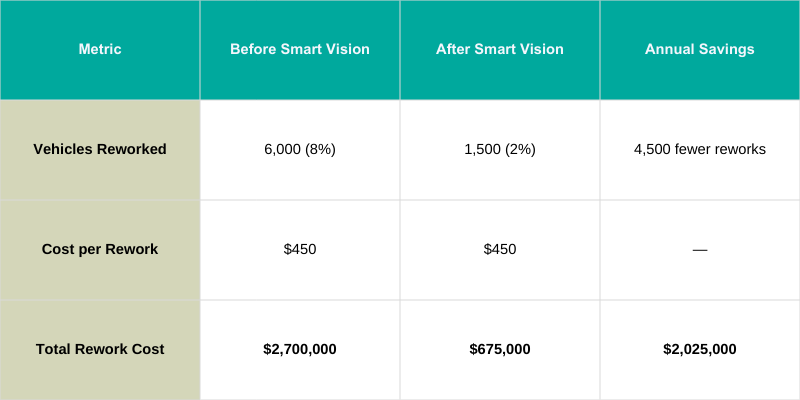
Table 1. Rework Improvement After Implementing the Hybrid Model (Humans + Smart Vision).
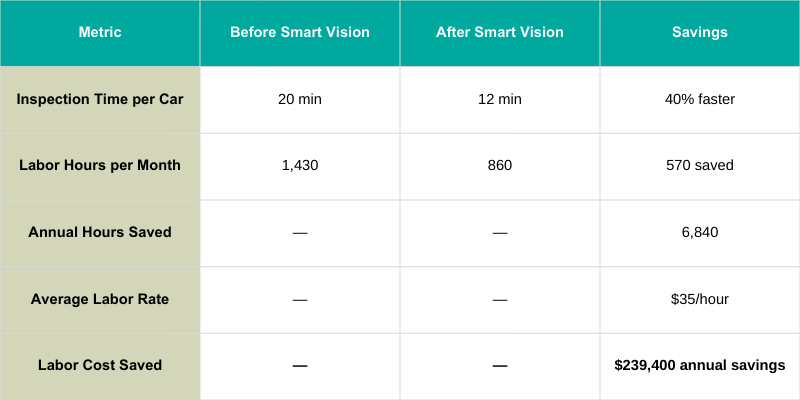
Table 2. Inspection Labor Efficiency After Implementing the Hybrid Model (Humans + Smart Vision).
Implementation Costs:
A Smart Vision system, including scanners, lighting, integration, and software, typically costs $350,000–$500,000 per paint line.
At that rate, the system pays for itself in under 3 months, with ongoing savings compounding each year. Beyond financials, Smart Vision stabilizes quality across shifts, protects brand reputation, and gives teams like Peter’s real human benefits (lower fatigue, consistent quality, and greater control over their work).
Your Partner in Precision
Verdusco Automation designs and integrates smart vision systems for the automotive industry. Our role is to make this transition simple, practical, and scalable for plants of any size.
Three services that make it happen:
Vision System Integration. Custom 2D/3D setups for in-line and end-of-line inspection.
SCADA & Data Visualization. Centralized dashboards that display inspection results and surface quality metrics in real time.
Control System Design & Implementation. Full integration of vision technology into your existing process controls and conveyors.
The result: better paint quality, less rework, and teams who can focus on craftsmanship instead of physical endurance.
Ready to see what perfect looks like?
Contact Verdusco Automation today!
📩 https://www.verduscoautomation.com/contact
***********
Note: This article is for reference only. To know what an automated paint inspection system can do for your manufacturing plant, you should run need a custom study.
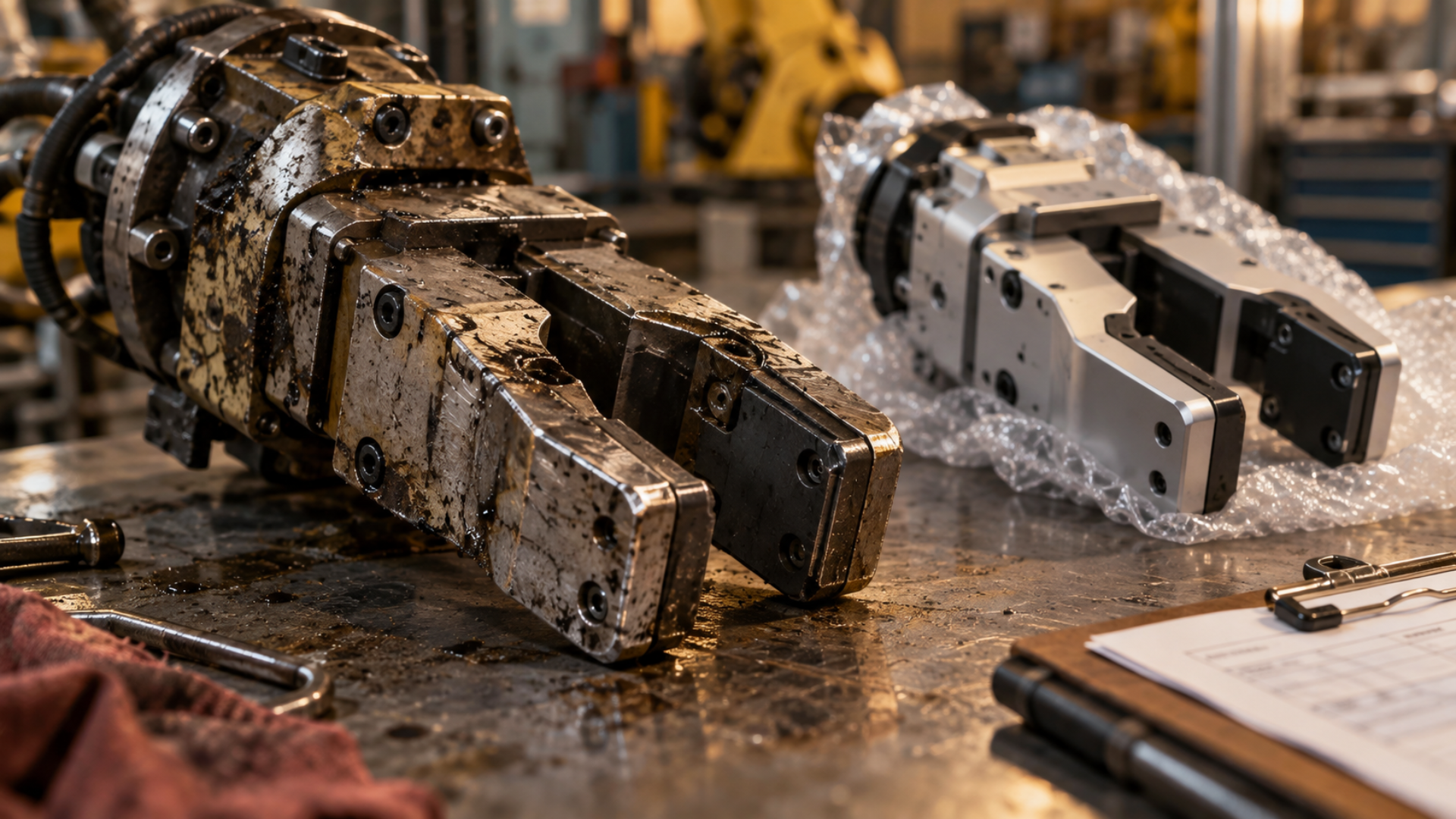


The right automation upgrades can turn recurring plant struggles into measurable manufacturing savings. Discover three proven investments - control system modernization, machine vision, and robotic palletizing - that help mid-sized plants cut downtime, scrap, and bottlenecks with clear automation ROI.