
How to Stop 2-Second Power Dips from Busting a Perfect Batch
Clark is halfway through day three of a 72-hour carbon-fiber cure. The line is quiet. Everything looks right. Then the lights flicker. Just once. Two seconds.
The PLC resets. The cure cycle is broken. The batch is scrap. The mold may be damaged. Six figures gone. Clark doesn’t swear. He just exhales. What he hates most is this: his most critical process depends on the least reliable part of the plant. The grid.
This Verdusco Automation article is about restoring control. It shows how manufacturing energy storage solutions transforms plant power reliability, protecting the processes you cannot afford to lose.
The Real Cost of a Flicker
You check the breaker and the logs. “Not again,” you mutter.
The line between a minor hiccup and a full-blown disaster is often measured in seconds. If you manage a plant, you know this reality well.
On an aerospace composites line, resin hardens mid-cure.
In pharma, temperature drifts, and the batch is disqualified.
Elsewhere, it’s the acrid smell of an overheated motor or a conveyor frozen at the worst possible junction.
That quick blink of the lights everyone wanted to ignore becomes the trigger for outsized losses:
Batches worth hundreds of thousands were scrapped.
Labor hours burned, forcing restarts.
Equipment life is shortened by stress.
Compliance headaches when logs show an interruption.
The downtime isn’t just lost production. It’s lost trust. Lost credibility. And sometimes lost contracts.
So, ask yourself:
When was the last time your plant blinked? And what did it really cost you?
The Proven Way to Build Real Power Resilience
Forget generators. They’re too slow.
Bigger UPS racks won’t cut it either. They’re limited.
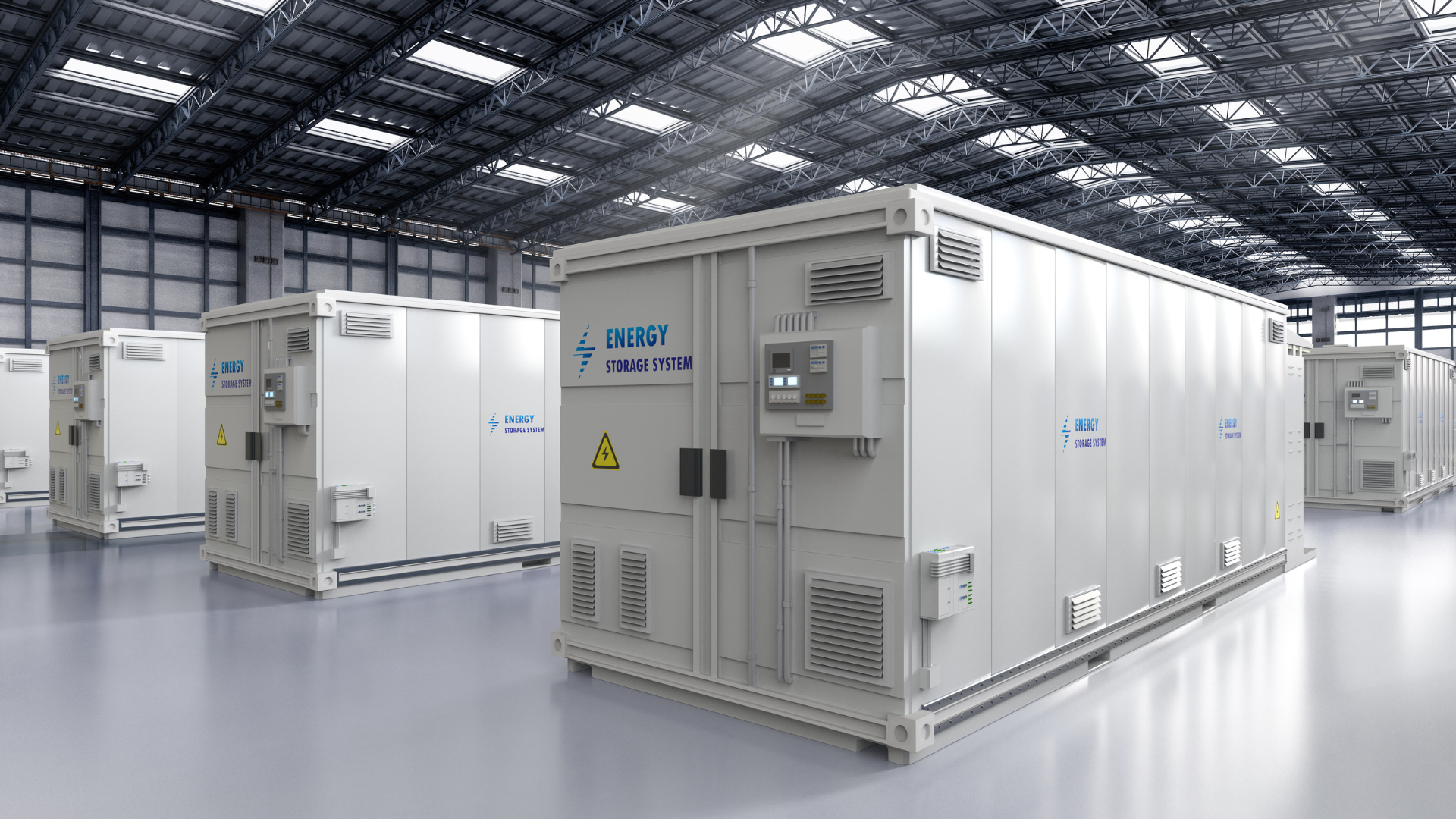
Modern plants escape this cycle by building power certainty directly into their operations. They combine manufacturing energy storage solutions with fast-response automation. The system detects a sag before people notice, responding instantly by balancing the load and holding voltage and frequency steady while the grid recovers.
At a high level, here’s how it works:
Industrial-grade systems store energy locally, ready to discharge on demand.
Instead of waiting for backup generators to spool up, inverters deliver continuous, conditioned power.
Layered controls coordinate between storage, grid input, and production systems, ensuring processes never see the disturbance.
The result is simple:
When lights flicker outside, your dashboard doesn’t flinch, motors keep running, and the line stays on spec.
After the power dip passes, your plant never knew it happened.
The ROI Behind Manufacturing Energy Storage Solutions
Managers and CEOs live by numbers, so let’s do the math, starting with one avoided event.
Say a single brownout costs $250,000 in scrap, downtime, and recovery (a common figure in high-value batch manufacturing). A storage system investment might run $20,000 to $40,000 per year when spread over its life. The comparison isn’t even subtle.
But ROI doesn’t stop at avoided disasters.
Plants that improve plant power reliability see:
Higher uptime on sensitive equipment.
Fewer emergency maintenance calls.
Less restart waste and cleanup.
Longer asset life due to fewer hard stops.
Lower operator stress and burnout.
There are energy benefits, too. Many plants use stored energy to shave peaks or smooth loads, reducing demand charges. Others align storage with sustainability goals by integrating renewables later, without redesigning the system.
You already insure your equipment.
You ensure your people.
Isn’t your uptime worth the same protection?
Drive Change Now: Your Roadmap to Plant Power Reliability
Thomas Edison once said, “Good fortune is what happens when opportunity meets planning.” And power resilience is planning. So, this is where Verdusco Automation steps in. Not as a product pusher, but as an integration partner who understands what happens on the floor during a flicker.
We help manufacturers reduce dependence on grid uncertainty by designing and integrating energy storage systems that make power events irrelevant to their operations.
Three Verdusco Automation services to support this journey:
Energy storage and backup power integration focused on critical loads.
Control system design for seamless power transfer.
Plant-wide industrial automation programming for clear visibility into power quality, events, and performance.
The outcome is steadier production, safer operations, and calmer teams.
Contact Verdusco Automation today!
📩: https://www.verduscoautomation.com/contact
_________
Final note:
This article illustrates what can be achieved. A proper ROI estimate requires a custom analysis of your facility, because every plant, like every process, runs to its own rhythm.
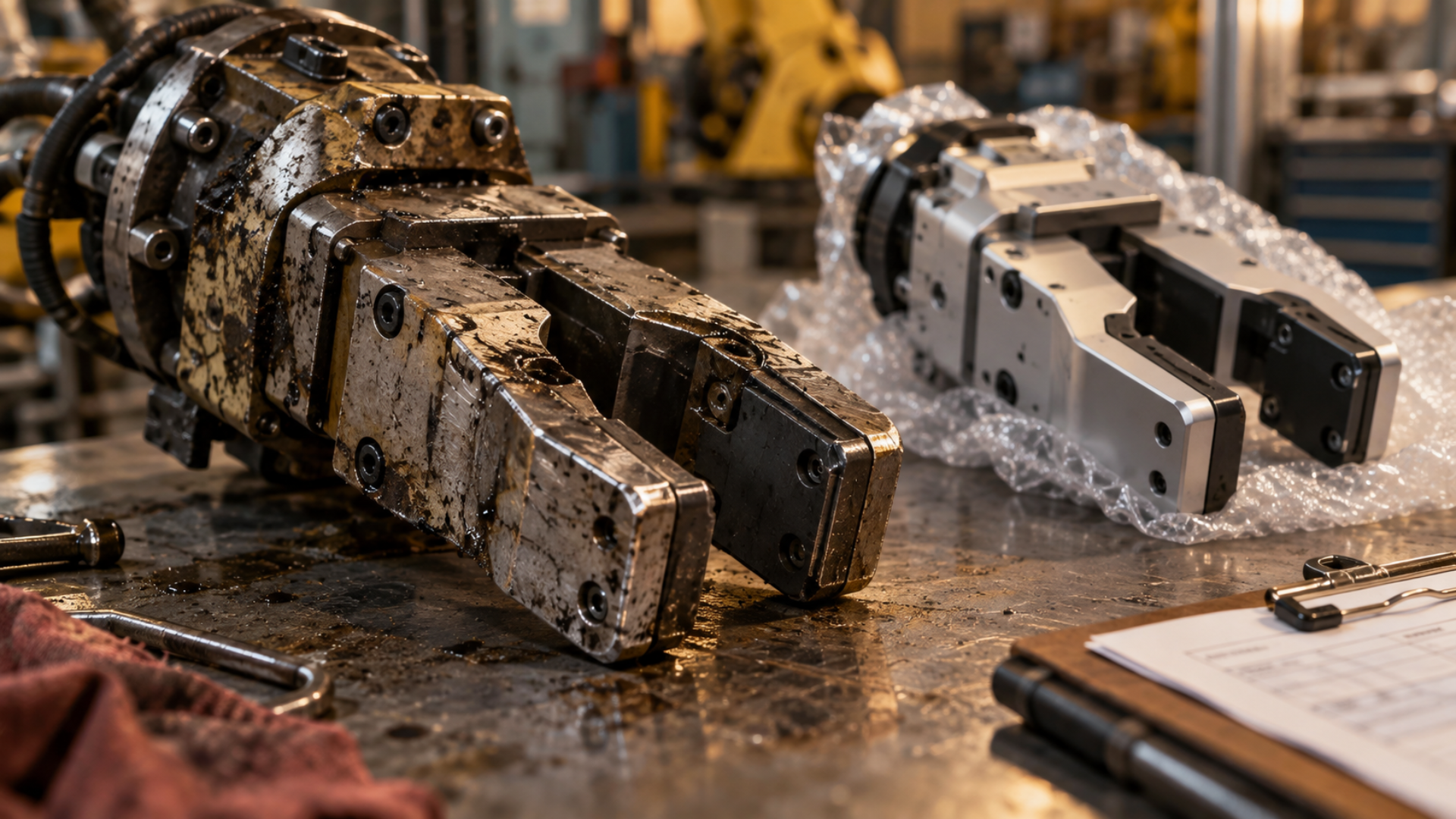


The right automation upgrades can turn recurring plant struggles into measurable manufacturing savings. Discover three proven investments - control system modernization, machine vision, and robotic palletizing - that help mid-sized plants cut downtime, scrap, and bottlenecks with clear automation ROI.