
5 Plant Automation Upgrades to Remove Ice Age Bottlenecks (For Good)
Always struggling with production figures that don’t match across units? Or downtime that hits without warning on a Friday?
Some bottlenecks feel like family heirlooms. They are patched and tolerated over the years. But never solved. Verdusco Automation helps manufacturers break those cycles for good.
This article explains five practical plant automation upgrades that transform reactive operations into proactive performance.
Read along to shape your new C-suite manufacturing strategy.
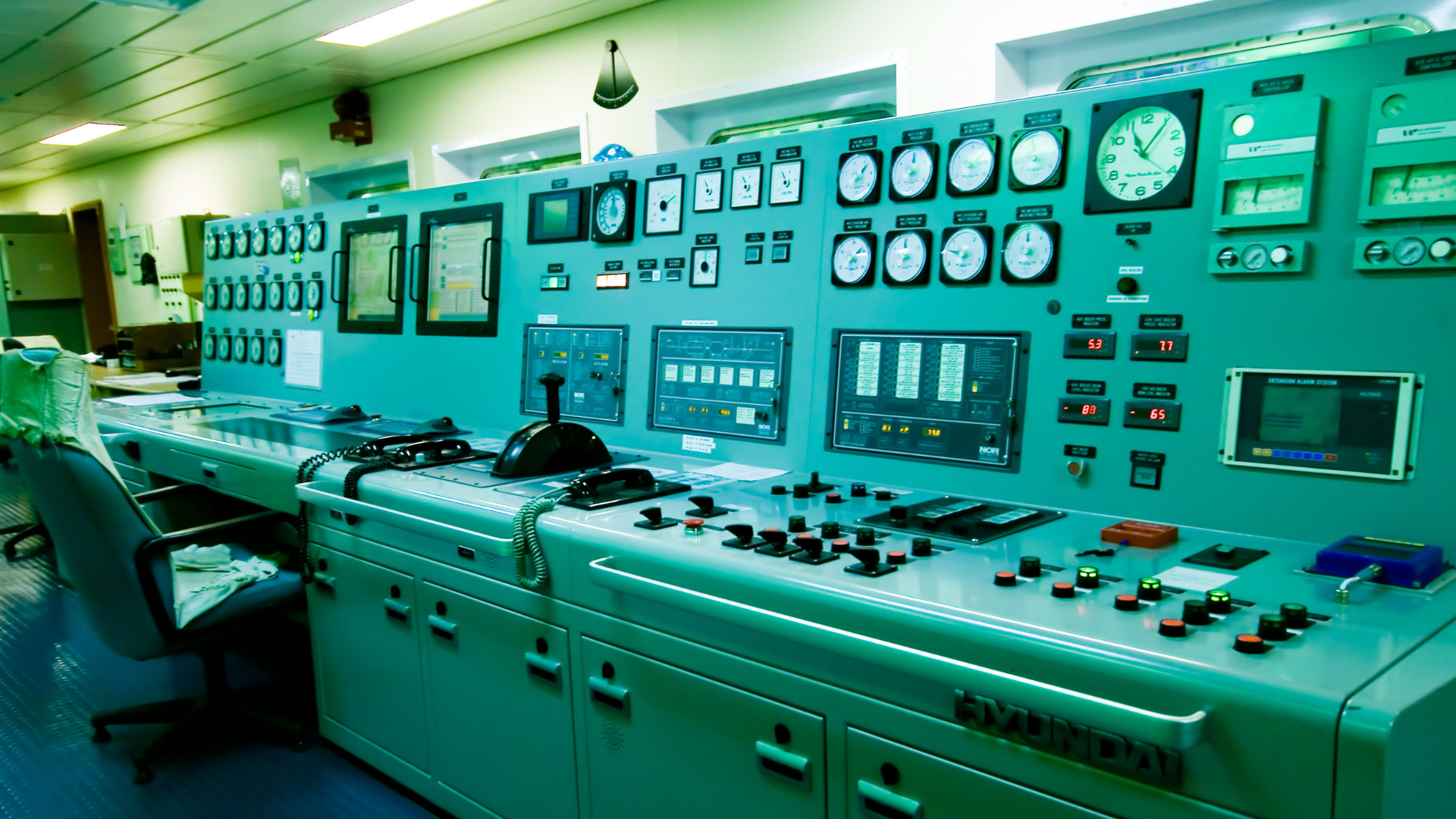
The Generational Bottlenecks Costing You Efficiency (and Money)
Every manufacturer has persistent snags that waste hours, materials, and patience. From afar, they don’t look catastrophic. But inside, they drain productivity day after day.
We are talking about common aches such as:
Chasing numbers across spreadsheets, PLC logs, and notes just to reconcile yesterday’s output.
Discovering rejected products after QA samples. By then, the batch is gone. And so is the profit.
Watching equipment run fine until a new product spec throws everything off. Reconfiguring takes days, not hours.
Waiting or guessing when the line stalls because only one person knows the trick to restarting a finicky machine.
Succumbing to logistics that move more slowly than demand.
Each of these issues makes talented people spend their energy fighting fires instead of driving improvement.
How to make it all go away?
Meet The C-Suite Automation Strategy to Bury Long-Standing Bottlenecks (aka 5 Plant Automation Upgrades for Manufacturers)
Breaking the cycle doesn’t require rebuilding your entire plant. It starts with focused upgrades. Think of them as small steps with big outcomes.
Here’s where forward-looking manufacturers are investing to leave those “Ice Age” bottlenecks behind, for good.
1. Centralized Data Integration Platforms
When production, quality, and ERP data live in separate systems, you waste half a shift chasing numbers. A strong integration platform links them all, giving everyone (from operators to executives) the same live metrics in one view.
For example, companies using the centralized integration platform Ignition® report faster decision cycles, reduced manual data entry, and consistent dashboards across facilities. Some even deploy identical control and monitoring apps across multiple plants, helping teams work as one, no matter where they are.
No more hunting for yesterday’s reports or reconciling spreadsheets that never match. With this kind of unified platform, your plant gains full visibility, seeing deviations as they start, not hours later.
2. Predictive Maintenance with Machine Learning
Maintenance budgets can feel like gambling: overspend on preventive tasks or risk unplanned breakdowns. Predictive maintenance flips that equation.
By combining sensor data (vibration, temperature, current draw) with machine learning models, manufacturers can predict failures days or weeks before they happen.
Let’s do a quick exercise.
Suppose your packaging line suffers one motor failure a month. Each downtime incident costs $6,000 in lost production and labor. Predictive models can reduce those events by about 60%. That’s roughly $43,000 saved per line each year, without adding a single technician.
For many plants, those savings alone fund the data infrastructure needed for the entire predictive program.
3. Modular Process Control Upgrades
When every new recipe or product spec requires rewriting logic, you lose both time and consistency. Modular process control systems fix that by breaking automation into reusable building blocks.
Once your plant runs on modular logic, engineers can introduce variations (sizes, packaging patterns or fill volumes) without starting from scratch. Validation gets faster, production changeovers get smoother, and operators face fewer unknowns.
Picture an Omega-3 softgel plant: switching from standard to high-potency capsules used to take a full day due to equipment recalibration and logic rewriting. With modular logic, selecting the “high-potency” module updates all linked equipment, cutting changeover to 2–3 hours and ensuring consistent quality.
The payoff is flexibility without chaos, allowing your plant to chase market opportunities without weeks of downtime in between.
4. Digitized Standard Operating Procedures (SOPs)
Even with skilled operators, complex processes create bottlenecks when knowledge is locked in a few brains or paper manuals.
Digitized SOPs turn tribal knowledge into clear, step-by-step digital instructions that are accessible on tablets or terminals at the point of use. Operators follow the workflow, and the system tracks compliance automatically. That means:
New adjustments are embedded directly in the SOPs, so everyone applies the same process reliably.
Alerts and verification steps reduce errors and speed up line restarts.
Training becomes faster for new staff because instructions are interactive and easy to follow.
You no longer need to rely on memory or depend on your coworker to move forward with operational sequences. Mistakes drop, changeovers speed up, and QA monitors consistency in real time. SOPs transform from static documents into living, actionable tools that help your plant run smoother, safer, and more predictably.
5. Autonomous Material Movement
Manual transport to move pallets, bins, or totes between zones still burns hours of labor in many plants. Autonomous Mobile Robots (AMRs) are closing that gap.
In a plant running two shifts with four forklift operators, fully loaded labor costs are about $45,000 per operator annually. If AMRs handle 80% of internal transport, roughly $144,000 worth of labor is freed each year. That equates to 12,800 labor hours now available for higher-value work, like production quality, batch setup, or packaging optimization, rather than moving pallets.
Every minute operators aren’t driving forklifts is a minute spent improving what customers actually buy.
Stop Putting Out Fires. Start Preventing Them
The goal of automation is to free your talented engineers and operators from tiresome, repetitive, and physically straining work so they can focus on the work that truly requires a human mind.
At Verdusco Automation, we develop and integrate solutions that help you bridge the gap between a legacy system and a modern, intelligent plant.
Our services include:
Integrated Automation Solutions. We connect your machines, sensors, and systems into one smart ecosystem.
Industrial Automation Design. We tailor control logic, dashboards, and workflows to your exact process.
Autonomous Mobile Robots (AMRs). We deploy AMRs that adapt to your plant layout and logistics needs.
Your next breakthrough starts with better control and visibility.
Contact Verdusco Automation to start the conversation!
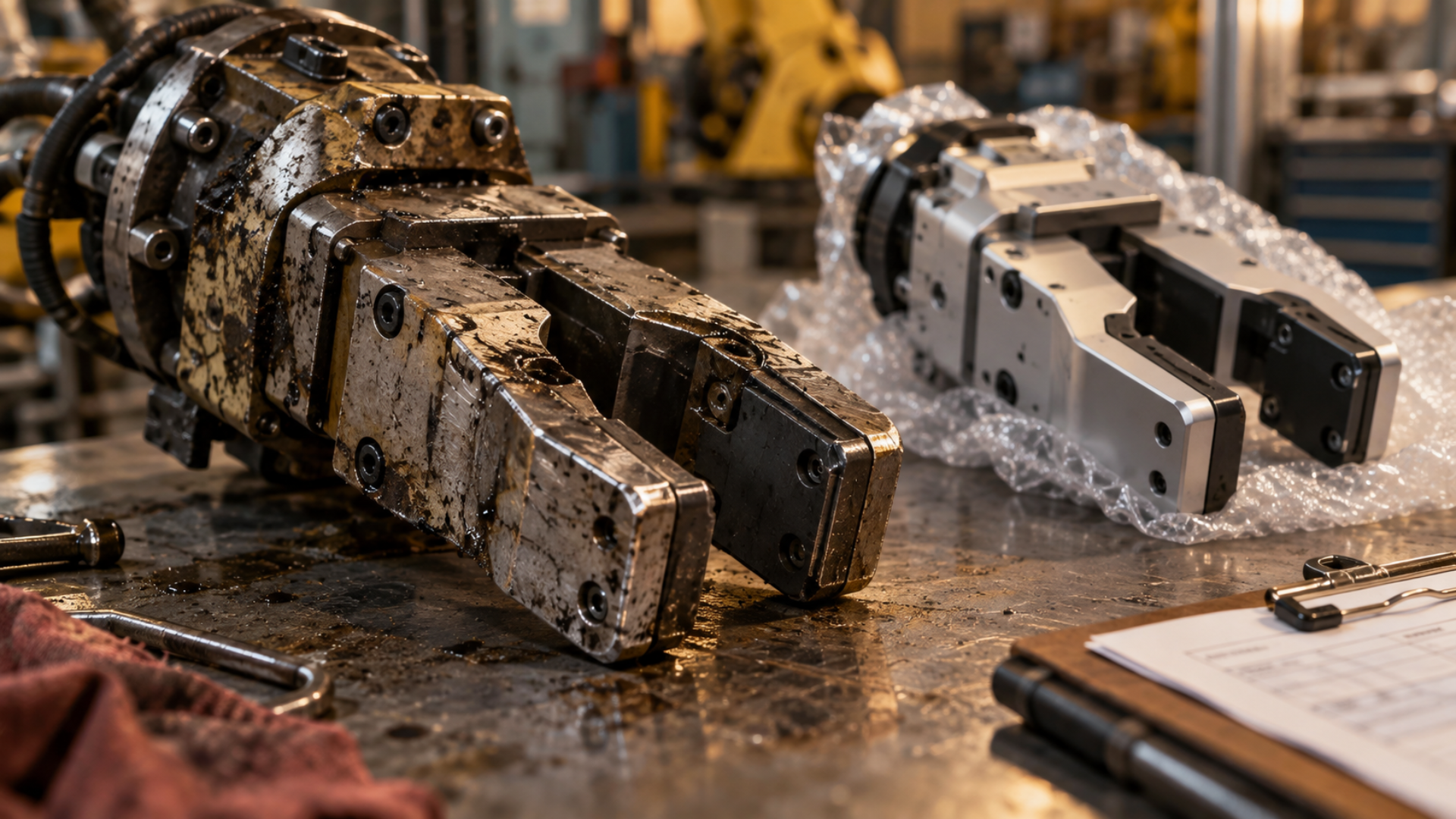


The right automation upgrades can turn recurring plant struggles into measurable manufacturing savings. Discover three proven investments - control system modernization, machine vision, and robotic palletizing - that help mid-sized plants cut downtime, scrap, and bottlenecks with clear automation ROI.