
9 Leadership Habits That Make Manufacturing Automation Work
You delivered. A new robotic welding cell stands ready on the floor, and the board awaits the promised productivity spike and scrap reduction by the end of the quarter.
But two weeks in, the system sits underused because few employees feel confident working with it. You are officially in hot water.
To help people grow alongside manufacturing automation, leaders need a strategy that prepares the workforce for a more automated future. In this Verdusco Automation article, we outline nine leadership habits that support this goal.
Let’s begin.

Habit 1: Anticipate the Workforce Automation Is Creating
As automation expands, many facilities continue to advertise roles built around tasks that are disappearing. IIoT, robotics, and digital systems are changing daily responsibilities. Job descriptions should reflect those changes. A posting for a manual palletizer may attract fewer candidates each year. A posting for an AMR Fleet Coordinator or Automation Operations Technician speaks to where the industry is heading.
Habit 2: Position Automation as an Elevated Career Opportunity
For many employees, automation raises an immediate question: “What does this mean for me?” Leaders have an opportunity to address that concern early by showing how technology upgrades human roles. Introducing AMRs, for example, doesn’t just change equipment on the floor. It shifts an operator from manual pallet movement into coordinating AMR fleets and managing flow across the plant, work that requires more skill and creates a clear path for growth.
Habit 3: Prioritize Learning Speed Over Static Expertise
Tech on the floor changes fast. A system that was brand-new a few years ago can easily be outdated today. In this environment, having a team that can adapt and learn on the fly matters more than finding someone who claims to know everything on day one. Look for curiosity and problem-solving skills, and handle the specific technical training internally. On a modern floor, the ability to learn fast is the real competitive advantage.
Habit 4: Explain What the Technology Means Before It Arrives
Jeff at QA/QC just found out that new machine vision hardware arrives next month to flag surface irregularities. His blood pressure spikes with a single word on his mind: layoff. Leaders must avoid the drama and address the elephant in the room head-on. Explain why the tech is coming, reassure the team about their job security, and lay out how the company will support them through the change. Or else, the rumor mill fills the gap and creates immediate resistance before the system even hits the floor.
Habit 5: Map the Transition and New Responsibilities That Come With Change
Once automation is introduced, employees need more than reassurance. They need clarity on what happens next. Leaders must define how roles change on the floor, what new responsibilities look like, and how daily work will shift. An AMR fleet coordinator is not just a manual palletizer with a new title. The role needs a clear breakdown of actual responsibilities, such as programming routes, monitoring performance, and managing fleet operations in real time.
Habit 6: Make Learning Part of the Job
Don’t treat training as a stressful, one-time marathon packed into the week a system goes live. That approach slows down adoption and spikes frustration. High-performing facilities build micro-learning directly into normal operations. Create dedicated, consistent windows for hands-on technical exposure long before the official launch. Small, low-pressure training blocks build floor confidence faster than any last-minute crunch.
Habit 7: Give Employees Ownership of New Technology Early
People naturally support what they help build. Bring your operators, maintenance technicians, and shift supervisors into early pilot programs, testing activities, and implementation discussions. Early involvement turns intimidating uncertainty into familiar ownership. Better yet, it surfaces critical operational insights that leadership might otherwise miss from an office.
Habit 8: Treat Workforce Development Like a Business Metric
Most manufacturers meticulously track uptime, throughput, and scrap rates, yet completely overlook workforce capability. Start tracking technical certifications, cross-training participation, digital proficiency, and automation readiness. These metrics tell you exactly whether your human capital is keeping pace with your hardware investments. What gets measured gets managed.
Habit 9: Reward Adaptability as Much as Performance
The crew will always align their behavior with what leadership celebrates on the floor. If you only recognize raw output, continuous learning gets pushed to the background. When you actively reward adaptability, cross-training initiative, and proactive troubleshooting, you reinforce the exact operational culture needed to make your automation success sustainable.
Sustain the Transformation
Technology creates possibilities, but it is leadership that turns them into results.
At Verdusco Automation, we’ve seen that the strongest outcomes often come from organizations that invest in workforce readiness as intentionally as they invest in automation itself.
If you’re looking to align your people strategy with manufacturing automation, we can help identify practical opportunities for development, technology adoption, and long-term improvement.
Explore your next steps with Verdusco Automation:
📩 Email:maria@verduscoautomation.com
🔗 LinkedIn:Raul Verdusco
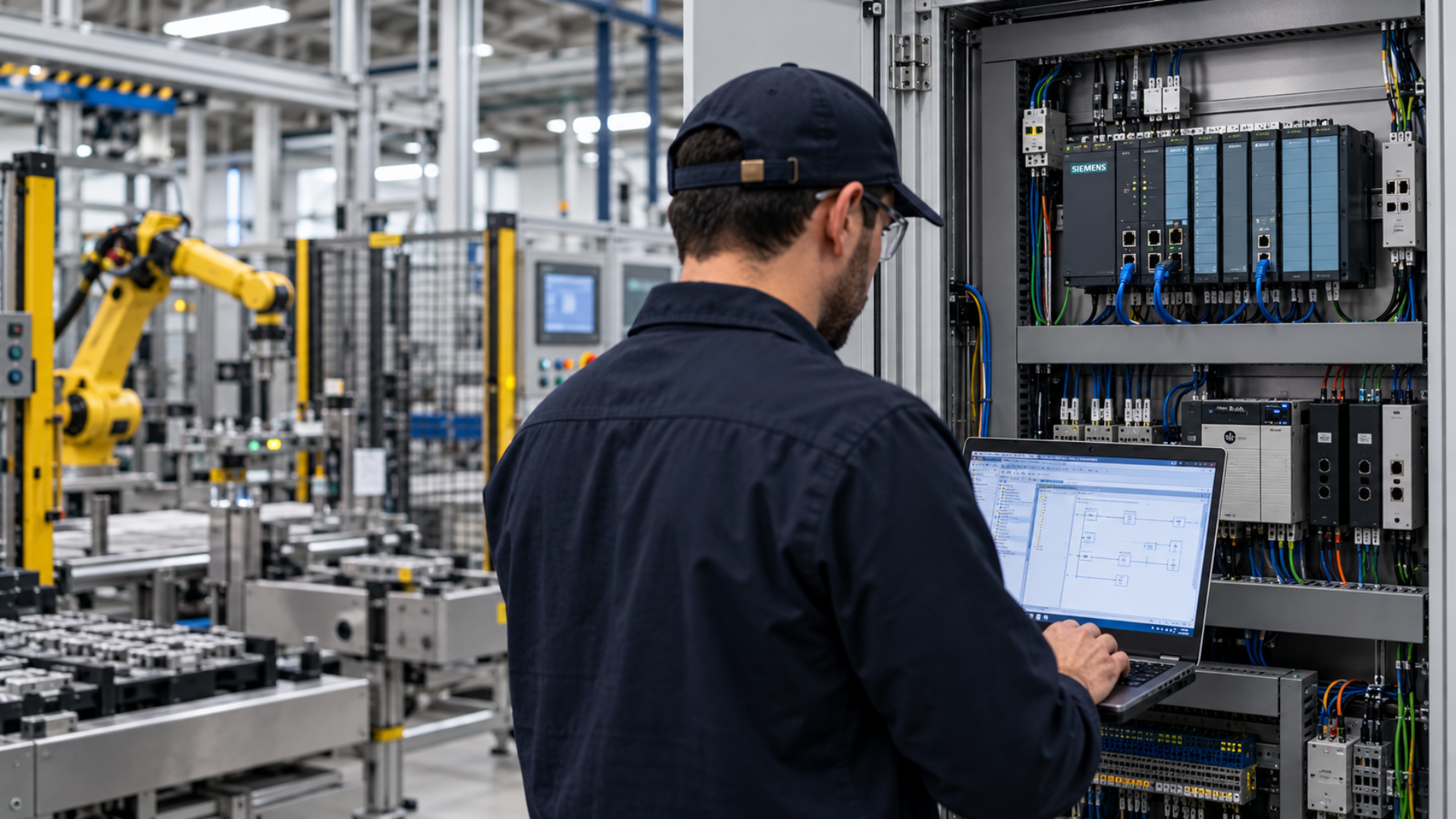


Before starting up a new automation system, a thorough PLC code review can prevent costly downtime. Learn the five PLC code checks every plant should complete after vendor selection to ensure a stable, maintainable, and reliable commissioning phase.