
How to Blackout-Proof Your Plant Now
Power flickers for half a second:
Screens freeze.
Motors stall.
Operators look at you for answers you don’t have.
When production crawls back to life, you’ve already done the math: lost output, lost hours, and a schedule no one will forgive by shift’s end.
This Verdusco Automation article shows you exactly what happens inside a plant during these split-second drops, how automation and energy storage anchor your operations, and where the real ROI sits for teams with tight budgets and even tighter expectations.
What Happens Inside a Plant During a Split-Second Power Drop
It starts with a dip. A flicker so fast you almost miss it. Almost.
Conveyors halt mid-motion. Sensitive equipment faults out. The batch you’ve been running for hours? Scrapped.
Then comes the scramble.
Operators rush to reset machines. Maintenance techs diagnose the damage. Your phone buzzes with alerts from the front office. The production schedule, once tight and efficient, is now a mess of delays. Overtime gets approved. Shipments slide.
For many plants, these aren’t rare events. They’re a recurring nightmare. One that costs thousands per minute in lost output and wasted materials.
If you’ve lived this. Here’s how you stop it.
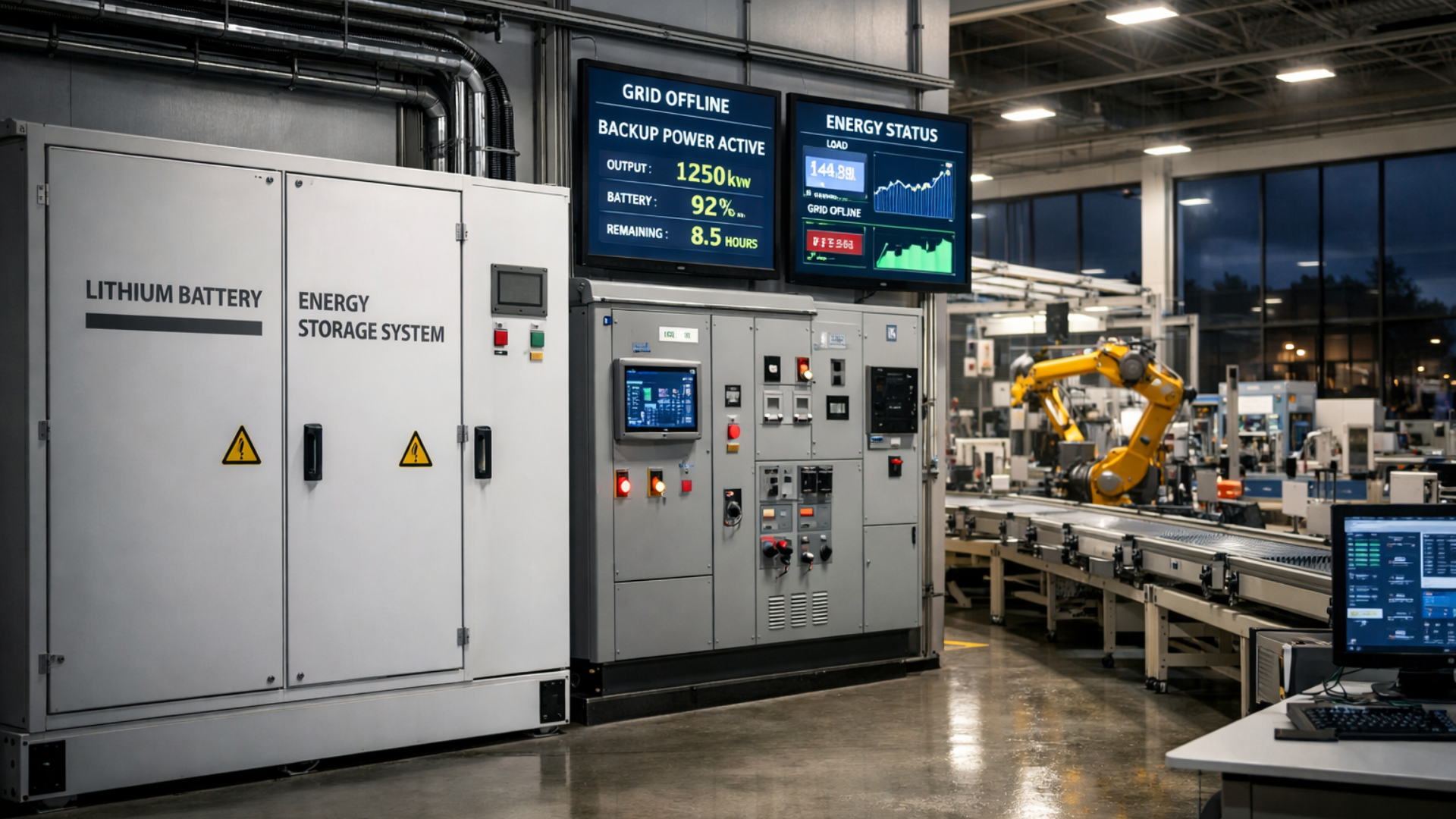
Meet Your Safety Net: Energy Storage Backup Power
Traditional backup systems react too slowly, leaving your line exposed in those critical first seconds. That’s where energy storage backup power steps in. It protects your operation in real time, setting itself apart from diesel generators, which are installed to support steady shutdowns, not keep production alive.
An energy storage system (ESS) is a fast, automated power source wired directly into your plant. It acts as a high-speed reserve that constantly monitors the grid and your equipment. The moment it senses a voltage dip or full outage, it delivers clean, stable power in milliseconds. That instant response keeps PLCs steady and your line running.
ESS is built for continuity:
➔ Covers the whole plant, not just emergency loads.
➔ Prevents stops, saves batches, and keeps schedules intact.
➔ Lowers energy costs by shaving peak-hour demand.
When automation connects the ESS to your switchgear and controls, the transition is seamless. No scrambling. No manual switching. No equipment stress.
And the everyday impact is clear:
Operators trust the line.
Maintenance stops chasing false alarms.
Managers stop rebuilding schedules after hiccups.
The anxiety of “What happens if the power drops?” fades. The floor feels stable the moment you walk in.
Automation and energy storage replace chaos with continuity, giving teams the confidence to focus on production instead of power.
The ROI in Energy Storage Backup Power
Let’s talk numbers.
A single outage can cost a mid-sized plant $10,000 in lost production alone. Add scrap, restart labor, and equipment wear, and the total hits about $6,500 for a 30-minute event.
If the plant sees 5 power dips or outages per year, that’s $32,500 gone.
Now, consider the alternative:
An integrated energy storage backup power system that prevents those losses and also cuts utility charges. By shaving just 100 kW off peak demand, a plant paying $15 per kW saves $18,000 annually. Combine that with avoided downtime, and your total annual savings jump to $50,500.
For a $150,000 system, that’s a payback in under three years:
Payback Period (Years) = $150,000 / $50,500 = ~2.97 years.
Over a 10-year lifespan, you gain more than seven years of pure savings and risk protection. Plus, the confidence that production won’t be hostage to the grid.
Lead the Change with Verdusco Automation’s Energy Solutions
Have you been fighting power instability for years, stretching crews thin, absorbing losses you can’t show on paper, and juggling production targets with unreliable infrastructure? There’s a better path.
Verdusco Automation builds systems that work for real manufacturing teams: practical, reliable, and engineered to keep people safe and production consistent.
Here are three ways we help manufacturers blackout-proof their plants:
Integration of energy storage backup power with the existing control system.
Design and deployment of automated backup switchover platforms.
Real-time power monitoring and diagnostics through Verdusco Automation energy solutions.
When operations run without surprise outages, your team wins.
Contact Verdusco Automation today!
📩: https://www.verduscoautomation.com/contact
***
Final Note: The cost and savings estimates shown here illustrate the potential of energy storage backup power. A custom analysis of your facility is needed for a precise ROI calculation.
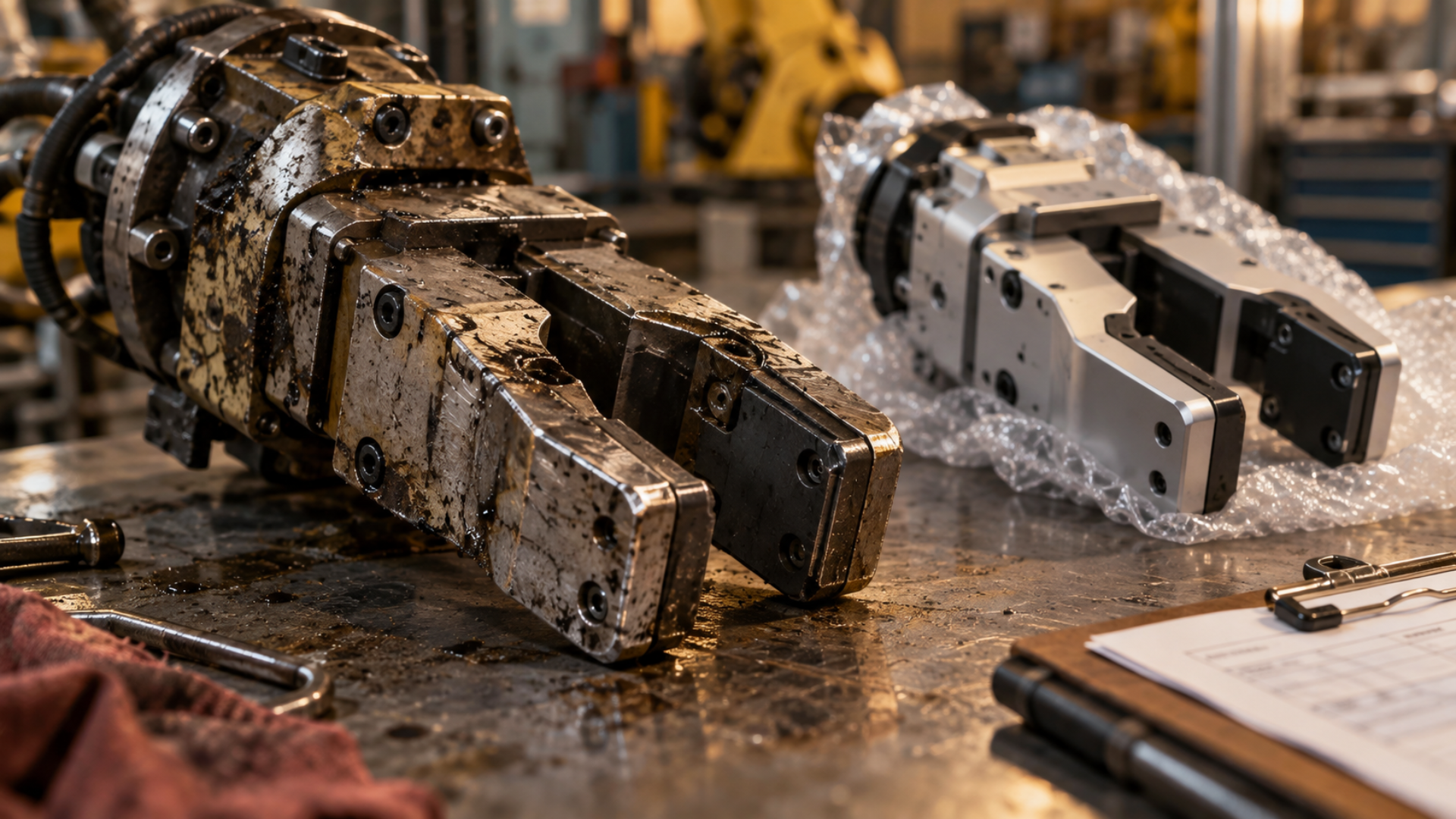


The right automation upgrades can turn recurring plant struggles into measurable manufacturing savings. Discover three proven investments - control system modernization, machine vision, and robotic palletizing - that help mid-sized plants cut downtime, scrap, and bottlenecks with clear automation ROI.