
Why New Equipment Often Fails to Integrate With Legacy Controls
An engineering team once ordered new electrical cabinets for a major plant modernization. On paper, everything worked. The cabinets were engineered to spec and fit the floor layout.
Then the equipment arrived. One tiny oversight put everyone on blast.
The cabinets couldn’t get through the opening. The reason? Nobody checked the width of the entry door before ordering.
Many manufacturing upgrades run into this exact issue. A new robotic cell or automated system may be exactly what you need. But before it can deliver results, it must pass through a different kind of doorway: the legacy controls already running your plant. Failing to account for this gap is the fastest way to derail a new manufacturing automation project.
This Verdusco Automation article explains why PLC integration stalls and how to avoid trouble from the get-go.
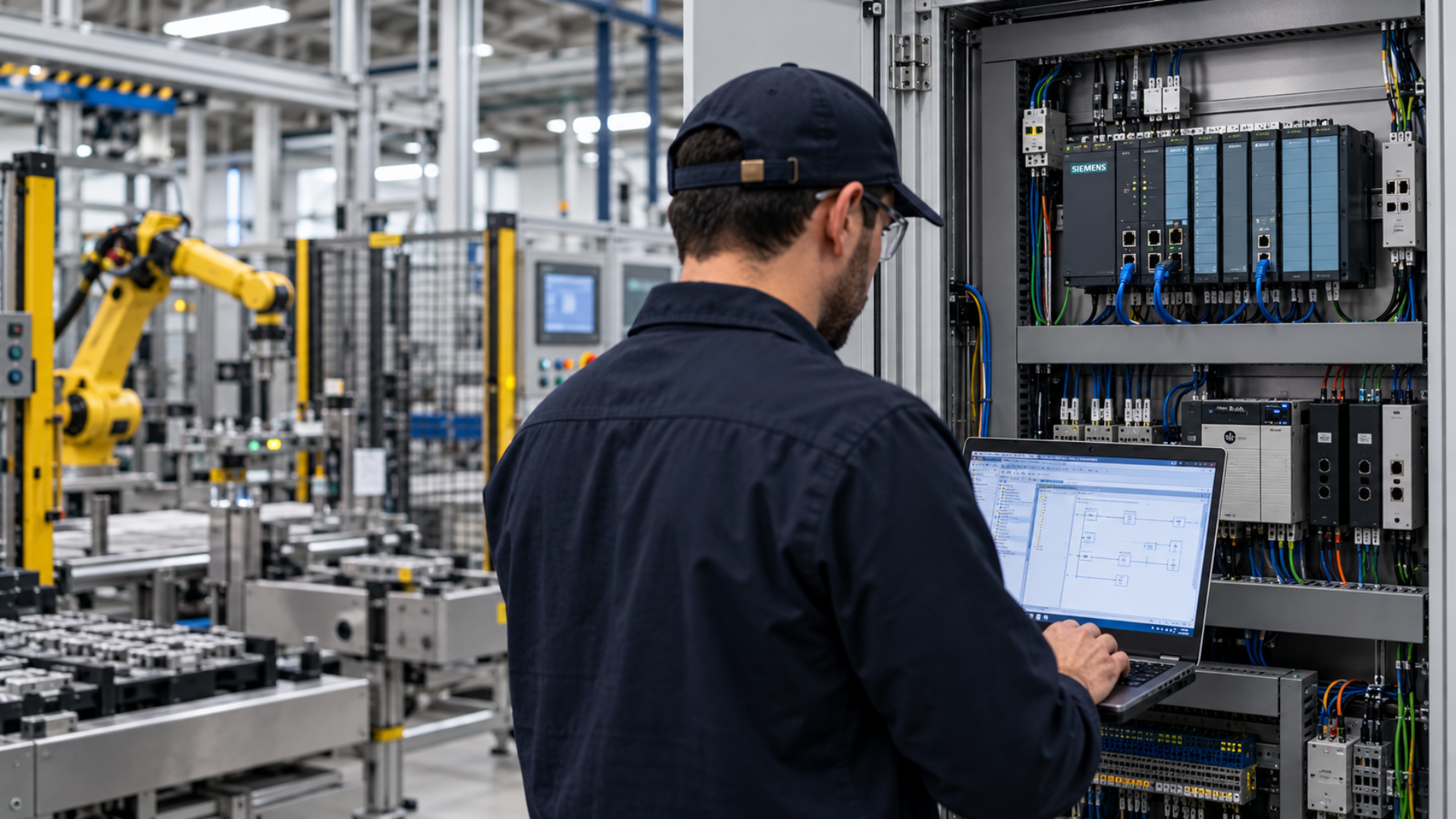
What Goes Wrong in Most New Equipment-Legacy PLC Integration Projects?
Upgrades rarely fail because you bought the wrong hardware. The core reason often goes back to the design and engineering phase, long before a single bolt is turned. This is where teams map out the path forward, but inadvertently create an isolated future island within the plant.
To ensure that a new robotic cell handles its payload smoothly or an autonomous cart navigates the floor safely, the tech must communicate with the existing infrastructure. It sounds like a given. But if overlooked, communication breaks down.
Three Assumptions That Jeopardize PLC Integration
#1: “The Vendor Already Checked Compatibility”
A vendor can say their machine supports the same communication protocol as your existing PLC, yet still require significant programming, tag mapping, or network modifications before data flows correctly.
Never assume compatibility has been verified by the vendor until someone from your team has reviewed both sides of the connection.
Assumption #2: “Our Existing Documentation Is Accurate”
Programs get modified, hardware gets replaced, and temporary fixes become permanent, leaving the plant operating with drawings that no longer reflect reality. Then a new project arrives, and teams discover that the system they’re integrating into isn’t the one shown on the drawings. Running a controls audit before procurement is the way to uncover these risks that would otherwise appear during commissioning.
Assumption #3: “We'll Figure Out Integration During Startup”
This is where schedules start slipping.
The best time to identify integration challenges is before equipment is purchased, not after it arrives. The earlier you discover a problem, the more options you have. Or else, you’ll be stuck with an expensive solution. For the cabinet team, it was tearing the doorway to build a bigger entry.
Questions to Ask Before Buying New Equipment
Before signing a purchase order, ask these questions first.
#1: How Will This Equipment Communicate With Existing Controls?
Don’t settle for broad statements such as “it supports modern protocols.” Ask for specifics.
Which protocols? Which versions? What information will be exchanged? What information needs to be mapped? The more clarity you gain before purchase, the fewer surprises you'll face later.
#2: What Legacy Systems Will Be Affected?
Look beyond the machine. Consider PLCs, HMIs, SCADA, reporting, quality systems, and maintenance workflows across the manufacturing automation project.Understanding those dependencies early prevents unpleasant surprises during commissioning.
#3: Where Is the Biggest Integration Risk?
Every manufacturing automation project has a weak point. It may be an aging controller, undocumented logic, or network limitations. Finding your integration risks before installation gives you options. Afterward, you’ll have nightmares.
Where to Start Your Manufacturing Automation Project
Before investing in a robotic cell, a packaging line, warehouse automation, or new production equipment, take time to understand the controls environment the technology will enter.
Early planning and executing a thorough controls assessment helps manufacturers avoid costly surprises during PLC integration projects, often revealing risks long before they become delays.
If you’re preparing for a manufacturing automation project, now is the time to evaluate the systems already running your operation.
And remember: A manufacturing automation project doesn’t succeed because the equipment is new. It does because the team understands what already exists.
Stabilize Your Operations with Verdusco Automation
You don’t have to tolerate systems that require constant firefighting. Transitioning your floor into a reliable, smooth operation is entirely achievable with the right strategy.
At Verdusco Automation, we design tailored integration solutions, AMRs, and control architectures that bridge the gap between yesterday’s assets and tomorrow’s technology.
Contact us here:
📩: maria@verduscoautomation.com
🌐:verduscoautomation.com/contact
______
More from Verdusco Automation: Click Here!
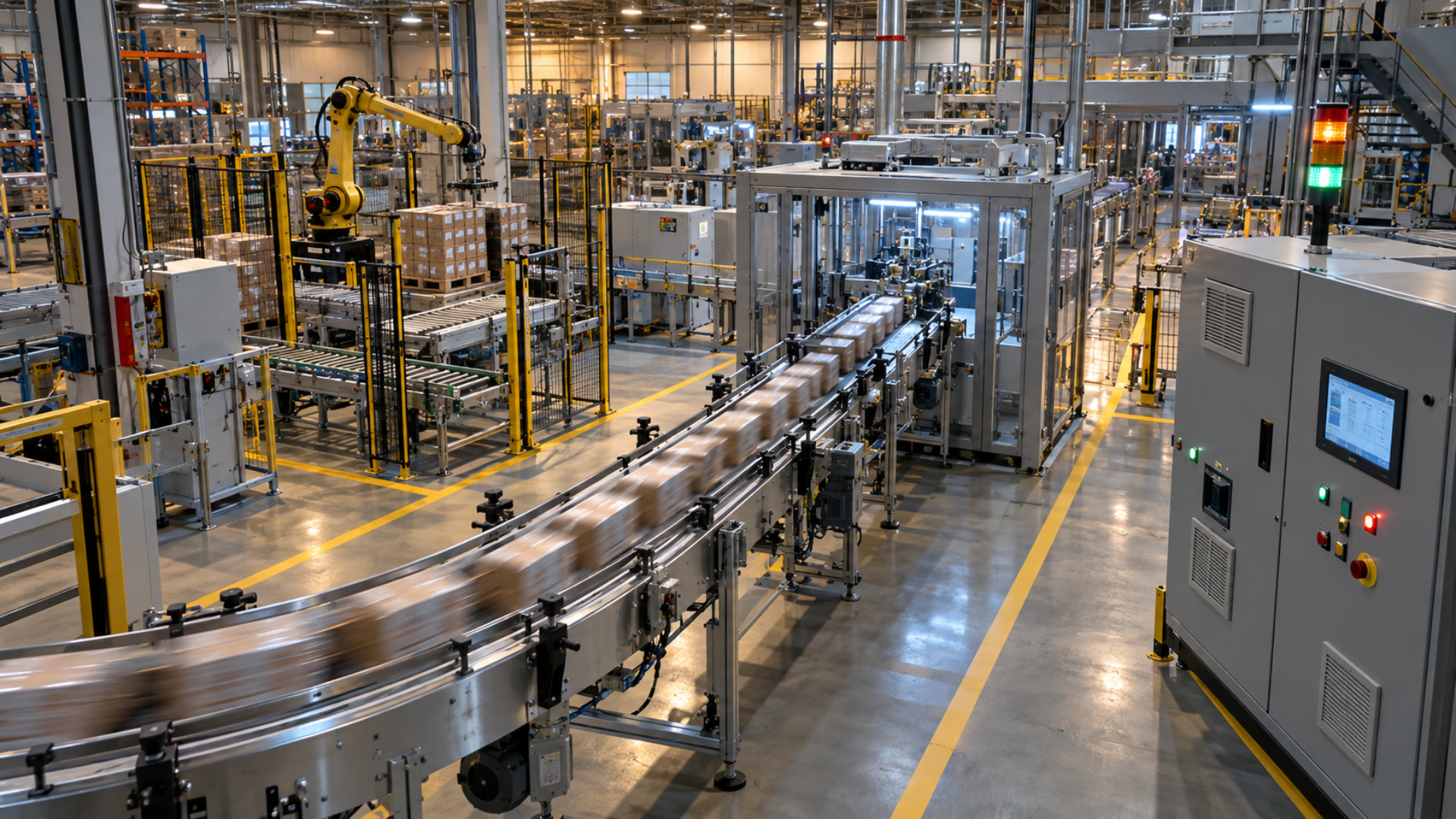
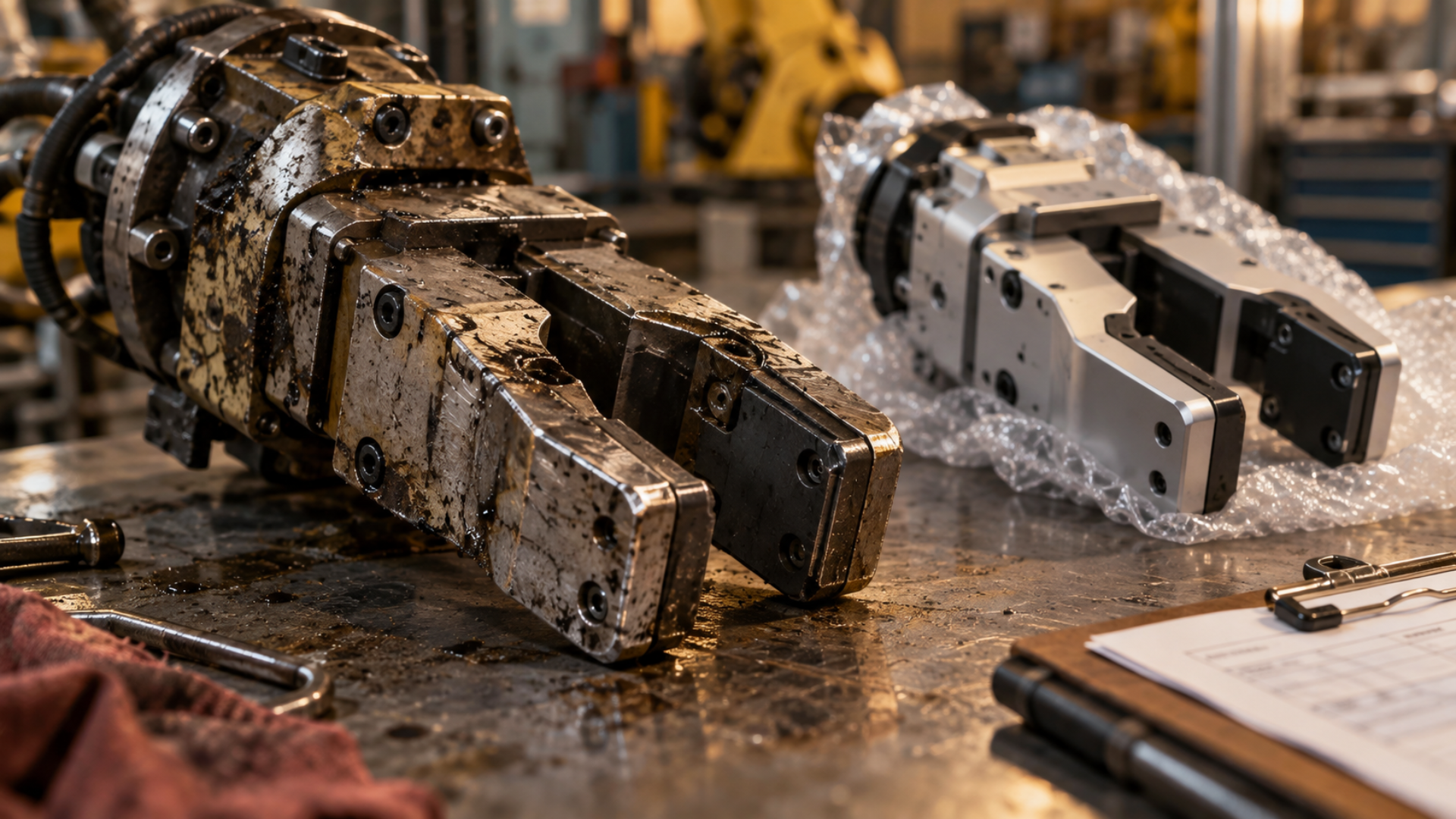

Aging conveyors don't always need full replacement — often the mechanical structure is sound and only the controls are outdated. Discover how a control system retrofit with VFD motor control and smart sensors can cut downtime, reduce damage, and deliver payback in months.