
Can a Decision Tree Stop a $15,000 Per Year Failure Cycle?
A photoelectric sensor goes dark during a product changeover, bringing the conveyor to a complete halt. Seconds later, operators and maintenance teams jump in to restore production and recover lost output. The entire floor shifts into a rush state. Under that pressure, the team faces a dangerous trade-off: choosing the fastest fix over the right one.
This Verdusco Automation article shows how a structured decision tree helps you analyze automation component failure events, so you can decide whether to repair, replace, or redesign parts, and stop recurring problems that drain thousands of dollars every year.
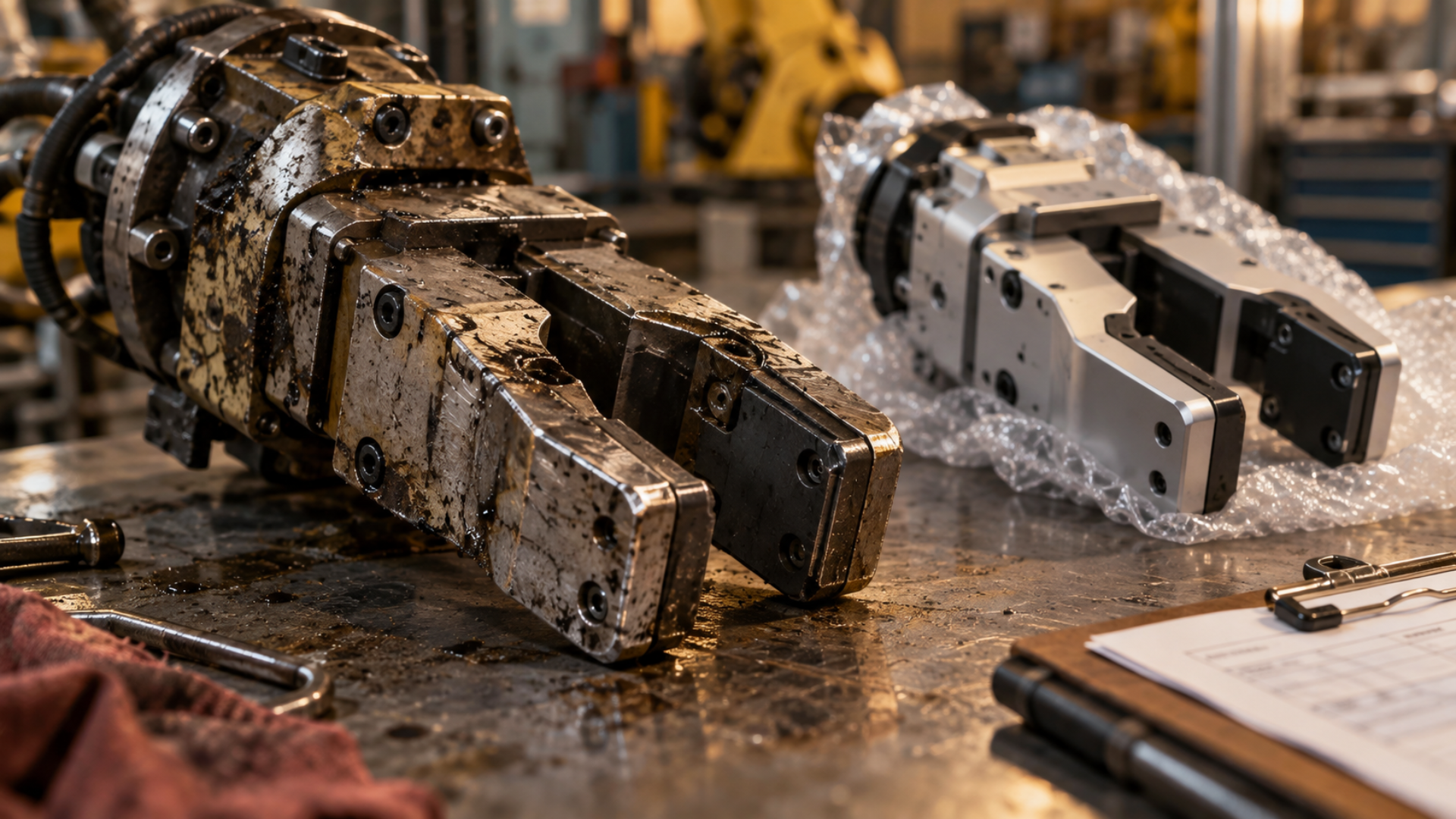
When Automation Fails, Most Plants Follow the Same Script
Swap the part. Clear the fault. Get the line running.
It is a survival mechanism driven by relentless shift targets. However, this cycle hides a massive, quiet leak in your budget. Just look at these two scenarios playing out across manufacturing floors every week:
Scenario 1: Replacing by Default
A robotic palletizing cell stacks finished cases at the end of a line. Every few months, the same gripper assembly fails, leading products to back up instantly and jamming the conveyor.
Maintenance checks the fault, confirms the damaged component, and issues an urgent order. The cost seems manageable:
Replacement end-of-arm tooling: $4,200
Troubleshooting and downtime: $900 (3 hours at $300/hour)
The part arrives, the line restarts, and everyone moves on, until four months later, when the same fault alarm triggers.
After three identical replacements in a single year, the plant burns $15,300 on a recurring issue.
Scenario 2: Repairing by Default
“The sensor is acting up again.”
You hear it near a packaging line running multiple bottle sizes. A technician rushes over to adjust the sensitivity, nudge the bracket, and clear the queue. It works until the next changeover, when the sensor slips again and the same routine follows.
Say this line loses 30 minutes per changeover, across 3 changeovers a week, for 52 weeks a year. That is 78 hours of lost production annually. At a conservative line output value of $250/hour, that single temperamental sensor costs $19,500 every year (78 x 250), not counting wasted operator time, maintenance labor, or scrapped product.
Same Failure. Same Response. Same Result
Both scenarios reveal the same pattern: without a structured way to evaluate whether to repair, replace, or redesign, plants routinely spend well over $15,000 on fixes that do not stick.
How a Decision Tree Works
A decision tree gives manufacturing teams a simple framework: before repairing or replacing a component, ask the questions that reveal what actually happened.
The ultimate goal is to stop repeating the same failure.
So, instead of thinking: “The gripper failed. Order another one,” the team follows a different path: “Why did the gripper fail? Will replacing it solve the problem? Or will the same failure happen again?”
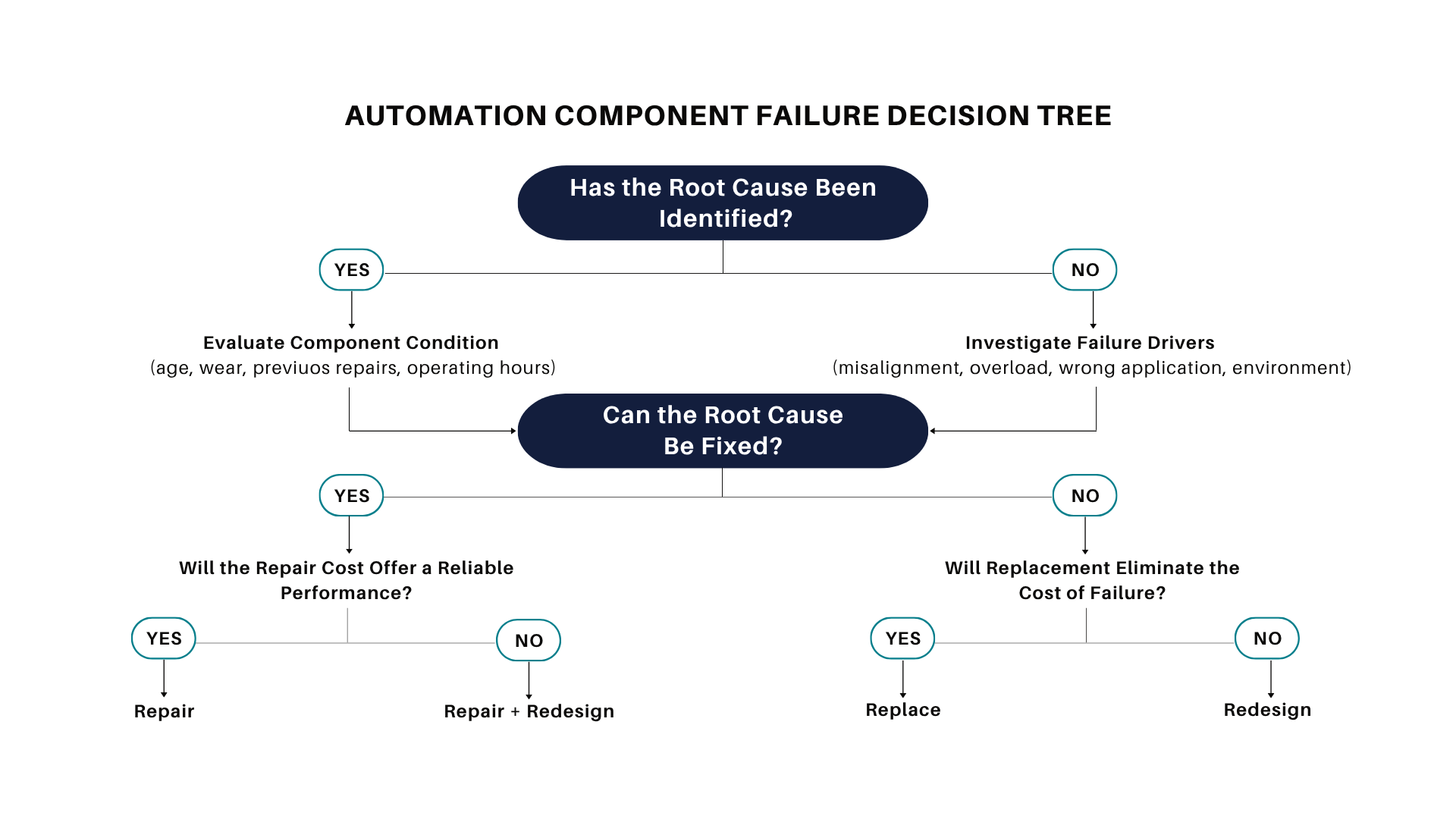
Figure 1. Decision tree for automation component failure.
Notice that the flowchart never begins by asking whether the part should be repaired or replaced. Its first question is whether the root cause has been identified. That shift alone changes every decision that follows.
Applying the Decision Tree to Automation Component Failure
Let’s use the logic presented for the robotic gripper failure from Scenario 1:
1. Has the root cause been identified?
No. At first glance, all the team knows is that the line is down and the gripper has failed. Replacing the damaged assembly may restore production, but it does not explain why the same component has failed three times in a year.
2. After investigating the failure drivers, what was concluded?
The maintenance team inspected the hardware and discovered the failure was not the result of normal wear. The real culprit was structural stress caused by a misaligned mounting bracket. Every palletizing cycle placed extra force on the gripper until it eventually failed.
3. Can the misalignment be fixed?
Yes. An overhaul (replacing worn bearings and recalibrating the housing) restores full function.
4. Will gripper overhaul alone deliver long-term reliable performance?
No. A repaired gripper reinstalled on the same crooked mount will fail again. The mounting bracket requires a targeted redesign, involving adjusting the mounting geometry to correct spatial orientation, reinforcing the high-stress gussets to eliminate deflection, and upgrading to heavy-duty hardware to absorb operational shock.
Decision Tree OPEX Improvement Opportunities
Applying a decision tree approach to Scenario 1 showed that a Repair + Redesign solution was the best route to solve frequent gripper failures permanently.
Here’s the cost breakdown to implement the solution, considering an outsourced strategy:
OEM or specialized bench rebuild: $1,200 (bearing replacement, seal kit, and precision calibration).
Redesign and engineering cost: $4,500 (covers on-site measurement, bracket geometry adjustment, finite element stress analysis, heavy-duty gusset reinforcement, and custom CNC fabrication).
Installation downtime cost: $900 (3 hours at $300/hour).
The total one-time investment reaches $6,600, delivering 57% in cost reduction in year 1 compared to the original (annual) $15,300 in repeat component orders and lost production.
Final Note
The examples in this article illustrate what can be achieved. However, every facility has different equipment, production goals, and failure patterns. A custom analysis of your plant is required to calculate a precise ROI.
To discuss your automation challenges and optimize your failure-response strategy, contact Verdusco Automation through your preferred channel:
Contact Verdusco Automation Today:
📩: maria@verduscoautomation.com
🌐: verduscoautomation.com/contact
______
More From Us: Click Here!

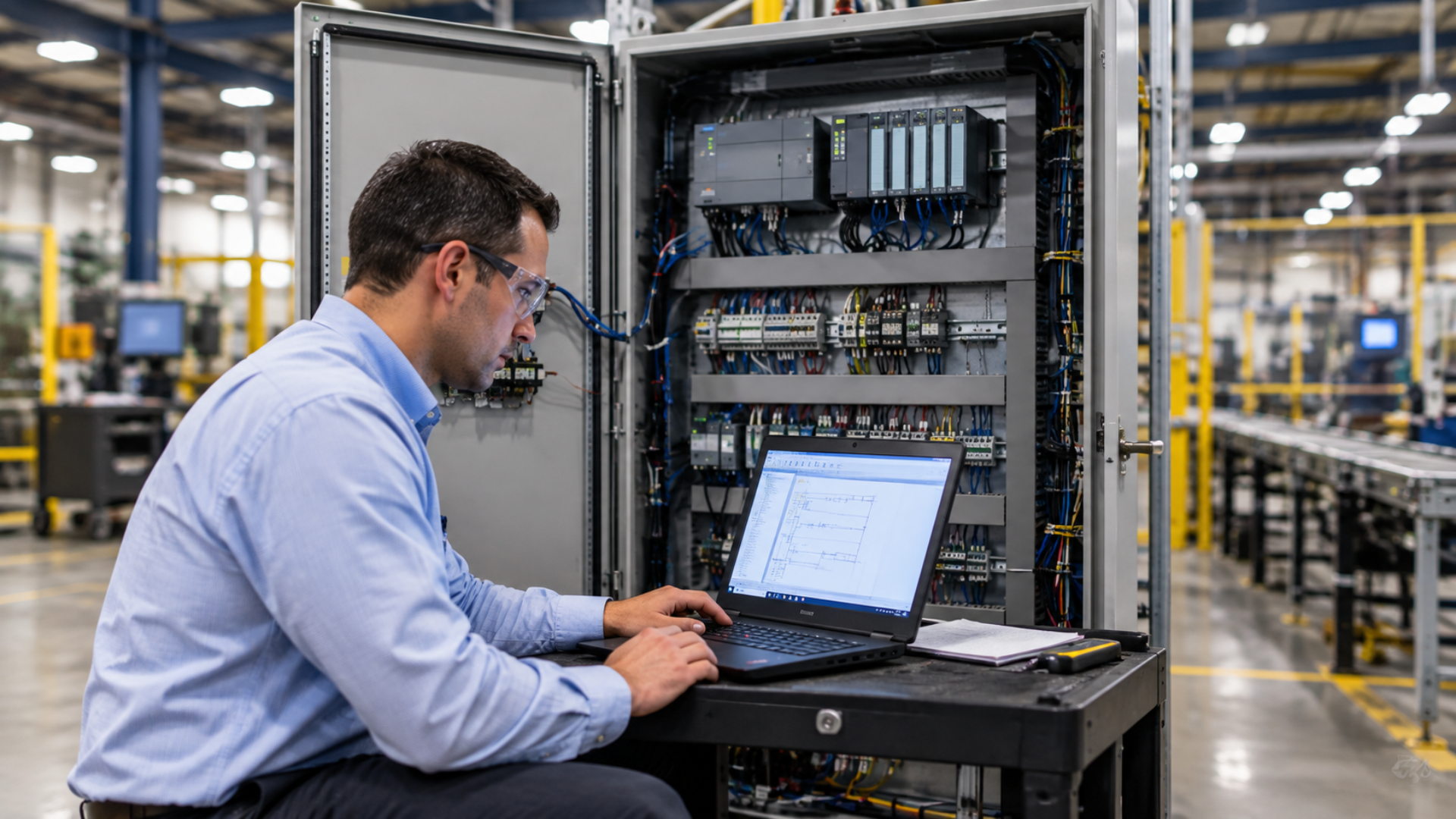

Recurring automation failures can quietly drain over $15,000 a year from your plant's budget. Learn how a structured decision tree helps your team decide when to repair, replace, or redesign a failing component and finally break the cycle.